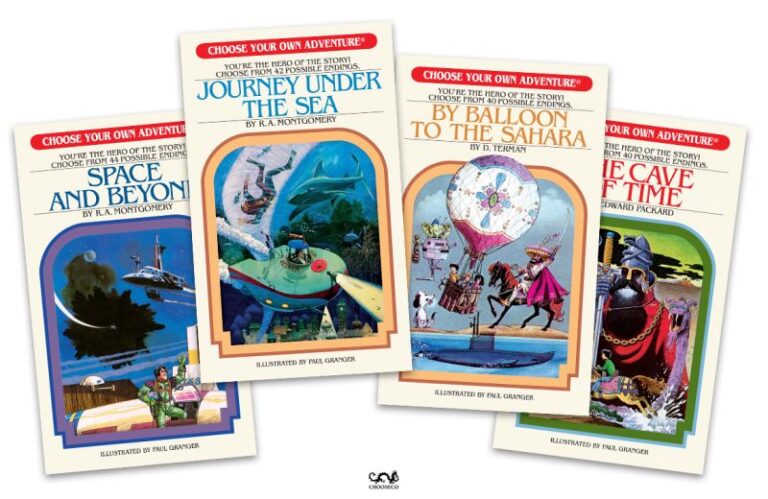
“I am the master of my fate, I am the captain of my soul.”
This line from Invictus , the poem by William Ernest Henley, became iconic after Nelson Mandela embraced it. For me, it’s not just a beautiful quote, it’s a guiding principle for how I live.
For years, I moved through jobs thinking hard work and good results would be enough to take me somewhere fulfilling. But fulfillment doesn’t come from drifting, waiting, or hoping. It comes from steering. From choosing. From owning the fact that you are not a passenger, you are at the helm.
Being the captain of your career doesn’t mean knowing every answer in advance. It means choosing a direction that excites you, even if the map isn’t fully drawn. It means taking a deep breath and saying, “This is the life I want to build, and I’m going to start moving towards it.”
In my best career moments, I had a vision. Sometimes it was clear, sometimes fuzzy, but it was mine. That sense of ownership changes everything.
And yet, no captain sails alone. You need a crew. People who support you, stretch you, and remind you who you are when you’ve forgotten. Mentors, colleagues, friends, people who bring you back to possibility when all you can see is pressure.
When we’re stuck, we tend to stay in our loop. We talk only to those who share our frustrations. We get absorbed in what isn’t working. We lose perspective. We start believing this is just how it is.
But it isn’t. The world is wide, opportunities are abundant, and many of them are still unseen. To notice them, you need to lift your head, step outside your circle, and get curious again.
A Process for Taking Ownership
When I mentor clients, I often describe career ownership as a process with four parts:
1. Know Yourself : Get clear on your values, motivations, and strengths. They are your compass.
2. Find Your Crew : Surround yourself with people who challenge, support, and inspire you.
3. Experiment with Small Steps : Don’t wait for a perfect plan; take action through low-risk trials.
4. Reflect and Adjust : Notice what energizes you, what drains you, and refine your course accordingly.
Questions to Gain Clarity
Try asking yourself:
What activities energize me most in my current role?
When do I feel most proud of my work?
What values do I refuse to compromise on?
Who around me supports my growth, and who holds me back?
If fear weren’t a factor, what would I try next?
Tools You Can Use Today
Here are four practical exercises to help you set sail:
1. Compass Check: Your Values
Write down your top 5 values (e.g. freedom, growth, creativity, stability, impact). Rate how much your current role reflects each one. Misalignment is a warning sign.
2. Crew Check: Who’s on Board?
List the people you regularly talk to about work. Who lifts you up? Who challenges you in a healthy way? Who keeps you stuck? Choose your crew with intention.
3. Small Experiments at Sea
Pick one small step this month: shadow a colleague, start a side project, or schedule a coffee chat with someone in a different field. Each experiment reveals new waters.
4. Future Logbook
Imagine it’s three years from now. Write a “day in the life” entry. Where are you, what fills your day, who are you with? Even if it feels rough, this vision becomes your North Star.
Final Word
One of the most common mistakes I see is waiting too long to make a change. We adapt, we endure, and in the process we forget what we actually want. But you don’t need to wait. You don’t need every answer before setting sail.
You have more control than you think. You can explore. You can ask for help. You can lead from exactly where you are.
There will always be storms, always some disruption or wave of uncertainty. Your job is not to predict the sea — it’s to learn how to sail.
So don’t wait. Don’t hand the wheel to someone else.
You’re the captain. Own it.
Reading this piece is a reminder that careers aren’t something that just “happen” to us, they’re something we can actively shape.